Gemechu Bekele Lemu
12 February 2026,18:00 CET (registration see below)
Anthropology has traditionally overlooked freedom of expression as a subject of study. Recent pioneering studies propose a comparative lens to reposition freedom of expression within broader historical and cross-cultural frameworks. However, such studies often retain the Western liberal conception of freedom of speech as their primary reference point, perpetuating an ethnocentric view that marginalizes non-Western democratic cultures. Consequently, alternative views within African indigenous democracies like the Oromo Gada system remain unexplored.
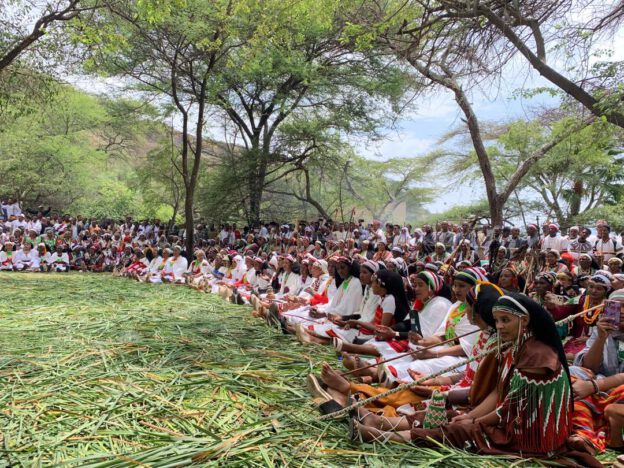
This study examines how free expression is lived and practiced among the Oromo by situating it within the Gada system. It explores their linguistic and socio-cultural world through Oromo proverbs (mammaaksaa) and insights from sages (Hayyuu/Jaarsa argaa-dhageettii), using techniques of ethnography of speaking and anthropological-philosophical approach based on qualitative in-depth interviews.
Preliminary findings indicate the Oromo conceptualize free expression as a right and necessity to express ideas and feelings without fear, but within the bounds of custom-law (Aadaa-seera) and moral codes (Safuu). Free expression is realized through speech (dubbii), poetry (weedduu), and symbolic acts, serving as an instrument to protect peace (Nagaa) and harmony with oneself, others, nature and the Creator (Uumaa). This priority of peace is echoed also in Oromo proverbs. The proverb “mara hincarrisani, mara hincallisani” (“Not everything is spoken, not everything is kept silent”) captures this balance, valuing both speech restraint and speaking truth that is directed toward achieving holistic peace. This ongoing work adopts a decolonial perspective to challenge the coloniality of power that marginalizes indigenous knowledge system and practices regarding freedom of expressions. By centering Oromo proverbs and the insights of Oromo sages, the study is expected to enrich the comparative anthropological analysis of freedom of expression with new epistemic and ethical insights.
Gemechu Bekele Lemu is a doctoral candidate at the Institute of Social and Cultural Anthropology, Ludwigs Maximilans University (LMU), Munich. He received his BA degree in Journalism and Communications from Addis Ababa University, Ethiopia, followed by a Master’s degree in International Media Studies in Bonn, Germany. Presently, his doctoral thesis investigates of free of expressions, offering a distinctive scholarly lens through examination of the linguistic and socio-cultural world of the Oromo.
Registration by Email